For years, I watched travel influencers jet-setting across the globe while I sat at my desk wondering how they managed it. I wasn't making six figures, didn't have a trust fund, and my vacation days were limited to two weeks per year. The turning point came when I realized I was spending more time dreaming about travel than actually planning how to make it happen.
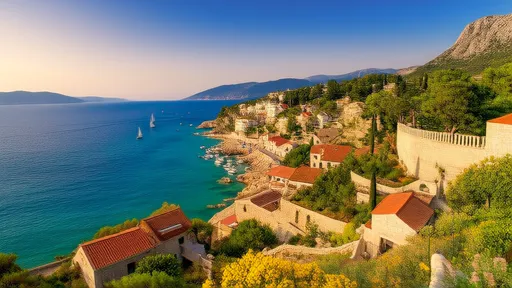
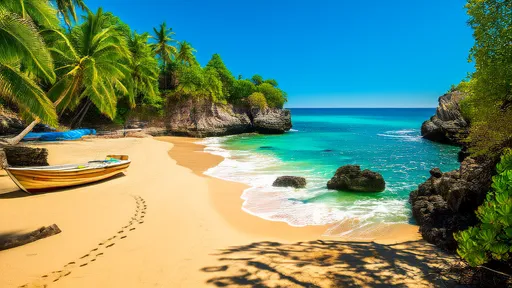
That's when I decided to completely overhaul my approach to money, work, and lifestyle. Fast forward three years, and I've spent at least six months each year exploring everything from Lisbon's cobblestone streets to Bali's rice terraces. The secret isn't magic—it's a system that anyone can implement with enough determination and smart planning.
Before we dive into the practical strategies, let's talk about the psychological barriers that keep most people from long-term travel. We're conditioned to believe that extended travel is only for the wealthy or retired. But here's the truth: I meet more twenty-somethings and thirty-somethings on the road than retirees. The difference isn't age or wealth—it's priorities. I stopped thinking of travel as an occasional luxury and started treating it as a non-negotiable part of my life budget, similar to rent or groceries. This meant cutting expenses that didn't align with my travel goals, like expensive cocktails at trendy bars and monthly subscriptions I barely used. The first step is always mental—you need to believe extended travel is possible for someone like you before the practical steps will make sense.
When people hear I travel half the year, they assume I must be making bank. The reality is much more ordinary. I built my travel fund through what I call "the trifecta": reducing fixed expenses, increasing income streams, and optimizing every dollar. For housing, I moved to a smaller apartment closer to work, saving both on rent and transportation costs. I meal-prepped religiously, cutting my food budget by nearly 60% compared to eating out. But the real game-changer was developing multiple income streams. Beyond my day job, I started freelance writing during evenings and weekends, then later created digital products related to my expertise. The key is starting small—even an extra $200 per month adds up to significant travel money over time.
Having remote work options completely transformed my travel capacity. I spent two years proving my value at my company before negotiating a partially remote arrangement. Start by identifying tasks you can complete independently, then gradually demonstrate your productivity outside the office. Many employers are more flexible than they appear, especially if you frame remote work as a productivity booster rather than a vacation. For those whose jobs can't go remote, consider transitioning to freelance work or building skills in remote-friendly fields like digital marketing, coding, or virtual assistance. The digital nomad community has exploded in recent years, with countless resources available for making the transition.
I haven't paid full price for an international flight in three years, and you shouldn't either. Travel hacking isn't about complex schemes—it's about strategically earning and redeeming points. Start with a travel rewards credit card that matches your spending habits, but always pay your balance in full each month. Beyond credit cards, I use shopping portals, dining programs, and bonus promotions to accelerate point accumulation. For accommodation, I've mastered the art of house-sitting through platforms like TrustedHousesitters, which provides free lodging in exchange for pet care. When I do pay for accommodation, I use a combination of booking strategies: traveling during shoulder season, booking last-minute deals, and sometimes even finding better rates by calling hotels directly.
Once you've reached your destination, the real test begins. I've developed what I call the "local immersion approach" to travel spending. Instead of tourist restaurants, I eat where locals eat—not only is the food more authentic, but it's often 70% cheaper. I use public transportation rather than taxis, stay in neighborhoods slightly outside the main tourist zones, and prioritize free activities like hiking and exploring public markets. One of my favorite money-saving strategies is what I call the "lunch splurge, dinner save" approach—I enjoy my main meal at lunch when prices are lower, then have a light, inexpensive dinner. These small decisions add up to massive savings without sacrificing the quality of your experience.
The biggest challenge isn't affording one long trip—it's maintaining this lifestyle year after year. I treat travel budgeting as an ongoing process rather than a one-time effort. Each trip, I track every expense in a simple spreadsheet, noting which splurges were worth it and where I could save next time. I've also learned to balance expensive destinations with affordable ones—a month in Switzerland might be followed by two months in Portugal to balance the budget. Perhaps most importantly, I've built relationships with other long-term travelers who share tips and support. This community aspect keeps me motivated when the logistics feel overwhelming.
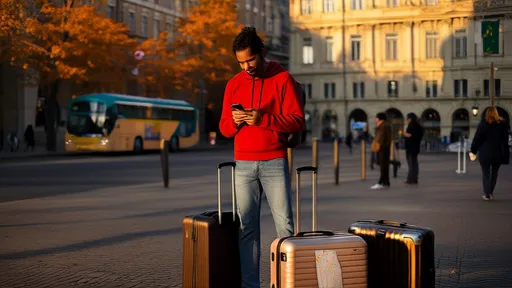
What surprised me most about this lifestyle wasn't the financial aspect but the personal transformation. Living out of a suitcase taught me to distinguish between wants and needs, to find joy in simple moments, and to develop resilience when plans inevitably change. I've become more adaptable, more confident in navigating unfamiliar situations, and more appreciative of both the privileges and responsibilities that come with this lifestyle. The freedom to wake up in a new city and decide how to spend your day is priceless—but it requires planning, sacrifice, and continuous learning. The financial strategies make it possible, but the personal growth makes it worthwhile.
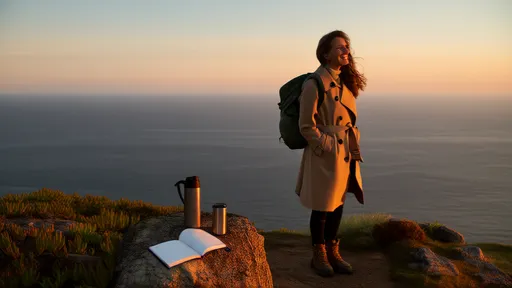
You don't need to quit your job tomorrow or have thousands saved to begin this journey. Start with what I call the "travel fund jar"—set aside just $5 daily, and you'll have over $1,800 by this time next year. Research one destination that excites you, create a vision board of what your travel life could look like, and identify one expense you can eliminate or reduce this week. The path to spending six months each year traveling begins with small, consistent steps. What surprised me most was discovering that the planning and anticipation brought almost as much joy as the travels themselves. Your adventure awaits—it's closer than you think.

By Christopher Harris/Nov 17, 2025

By David Anderson/Nov 17, 2025
By Emma Thompson/Nov 17, 2025

By Olivia Reed/Nov 17, 2025
By Eric Ward/Nov 17, 2025
By Benjamin Evans/Nov 17, 2025

By David Anderson/Nov 17, 2025

By David Anderson/Nov 17, 2025
By David Anderson/Nov 17, 2025

By Daniel Scott/Nov 17, 2025

By Laura Wilson/Nov 17, 2025
By John Smith/Nov 17, 2025

By George Bailey/Nov 17, 2025

By Michael Brown/Nov 17, 2025
By Joshua Howard/Nov 17, 2025
By George Bailey/Nov 17, 2025

By Sophia Lewis/Nov 17, 2025

By Laura Wilson/Nov 17, 2025
By Samuel Cooper/Nov 17, 2025
By Lily Simpson/Nov 17, 2025