We’ve all heard the warnings: avoid tourist traps at all costs. They’re overpriced, crowded, and inauthentic—or so the travel snobs claim. But what if I told you that dismissing these places outright means you’re missing out on some of the most vibrant, accessible, and yes, even authentic experiences a destination has to offer? It’s time to rethink the stigma.
Let’s start with the crowds. Sure, places like the Eiffel Tower or Times Square are packed. But there’s a reason millions flock there—they’re iconic for a reason. These spots have become cultural landmarks because they capture something essential about a place. Instead of avoiding them, the trick is learning how to experience them without the stress. Go early in the morning, or visit during off-peak seasons. You’ll find the energy of the crowd can be electric, not exhausting.
Then there’s the complaint about authenticity. Critics love to say that tourist traps are manufactured experiences, far removed from local life. But think about it: where do locals often gather for celebrations, festivals, or simply to enjoy their own city? Frequently, it’s these very spots. The key is to look beyond the surface. Engage with street performers, chat with vendors, and observe how people interact. You’ll often find pockets of genuine culture thriving amid the tourism.
Another common gripe is the cost. Yes, souvenir shops and eateries in high-traffic areas tend to charge more. But that doesn’t mean everything is a rip-off. Many of these businesses are family-owned and rely on tourist dollars to survive. By supporting them, you’re contributing to the local economy. Plus, with a little savvy, you can find great value—like grabbing a coffee from a stand just one street away from the main square, where prices drop significantly.
What about the idea that real travel means discovering hidden gems nobody else knows about? That’s a romantic notion, but let’s be honest: sometimes the hidden gems are hidden for a reason. They might be difficult to access, limited in amenities, or simply not that interesting. Tourist traps, on the other hand, are usually well-maintained, safe, and designed to deliver a memorable experience. They’re a fantastic starting point for any trip, especially if you’re short on time or unfamiliar with the area.
Consider this: some of the world’s most beloved attractions started as tourist traps. The Colosseum in Rome, the Louvre in Paris—they were once the exclusive domain of the elite or pilgrims. Today, they’re must-see destinations that offer profound historical and artistic value. Their popularity doesn’t diminish their significance; it reinforces it. By writing them off, you’re denying yourself a connection to shared human heritage.
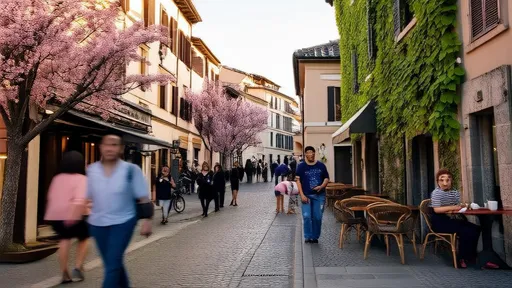
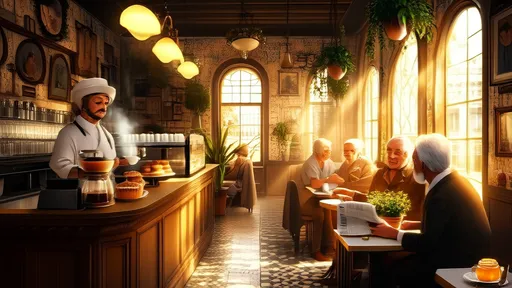
So how can you make the most of these places? It’s all about mindset and strategy. Don’t just rush through, snapping photos. Slow down. Read the plaques, listen to the guides, and absorb the atmosphere. Blend a visit to a famous site with exploration of the surrounding neighborhoods. You’ll often find that the area around a tourist trap is where the real magic happens—local cafes, quirky shops, and unexpected vistas are usually just a short walk away.
Travel, at its heart, is about connection and joy. If a place brings you happiness, does it really matter how many other people are there? Embrace the so-called tourist traps. See them not as clichés to avoid, but as portals to understanding what makes a destination unique. You might just discover that the most popular spots are popular for a reason—they’re often utterly, wonderfully worth it.
Next time you plan a trip, give yourself permission to enjoy the famous sights without guilt. Mix them with off-the-beaten-path adventures, and you’ll have a richer, more balanced travel experience. After all, the best journeys are about what resonates with you, not about following someone else’s rules.

By Christopher Harris/Nov 17, 2025

By David Anderson/Nov 17, 2025
By Emma Thompson/Nov 17, 2025

By Olivia Reed/Nov 17, 2025
By Eric Ward/Nov 17, 2025
By Benjamin Evans/Nov 17, 2025

By David Anderson/Nov 17, 2025

By David Anderson/Nov 17, 2025
By David Anderson/Nov 17, 2025
By Daniel Scott/Nov 17, 2025

By Laura Wilson/Nov 17, 2025
By John Smith/Nov 17, 2025

By George Bailey/Nov 17, 2025
By Michael Brown/Nov 17, 2025

By Joshua Howard/Nov 17, 2025
By George Bailey/Nov 17, 2025
By Sophia Lewis/Nov 17, 2025
By Laura Wilson/Nov 17, 2025
By Samuel Cooper/Nov 17, 2025
By Lily Simpson/Nov 17, 2025