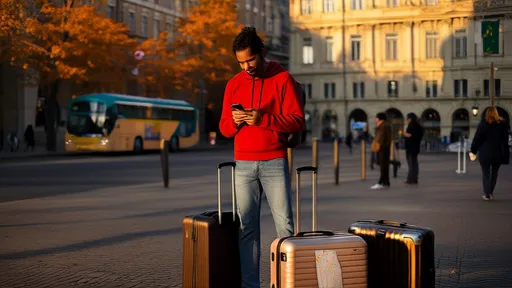
That moment when you're standing in a foreign train station, surrounded by chatter in languages you don't understand, and it hits you—you're completely alone. Many people avoid solo travel precisely because they fear this exact scenario. They imagine silent dinners, empty itineraries, and that heavy feeling of isolation. But here's the truth I've discovered through years of traveling alone: loneliness isn't an inevitable companion.
It's a challenge you can actively overcome with the right mindset and strategies. By the time you finish reading, you'll have practical tools to transform solo journeys into deeply connected experiences, whether you're an introvert who needs quiet moments or a social butterfly craving interaction.
Preparation is your secret weapon against loneliness. Instead of just booking flights and hotels, I build a social safety net in advance. Join location-specific Facebook groups for travelers—search "Digital Nomads Barcelona" or "Expats in Tokyo." These communities are goldmines for casual meetups, local events, and potential travel buddies. I typically post my travel dates about three weeks before arriving, mentioning my interests and asking if anyone wants to explore together. Last month in Lisbon, this led to an incredible food tour with two other solo travelers who became fast friends. Another pro tip: download language apps like Duolingo to learn basic greetings. Being able to order coffee or ask directions in the local language instantly creates micro-connections that combat isolation.
Where you stay dramatically impacts your social experience. While hotels offer privacy, they often reinforce isolation. I consistently choose boutique hostels with common areas, family-run guesthouses, or serviced apartments that host social events. Platforms like Airbnb now filter for "social stays" where hosts explicitly welcome interaction. In Mexico City, I booked a room in a colonial house where the host organized weekly taco nights—perfect for meeting both locals and fellow travelers. The key is reading reviews carefully; look for mentions of "friendly atmosphere" or "great common spaces." Even if you value privacy, having the option to socialize when loneliness strikes makes all the difference.
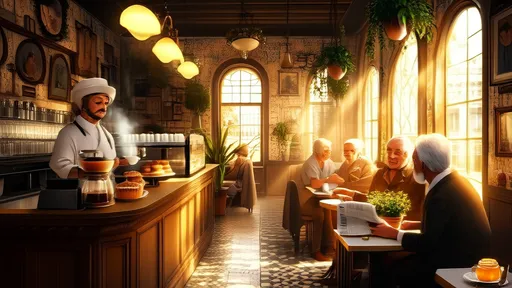
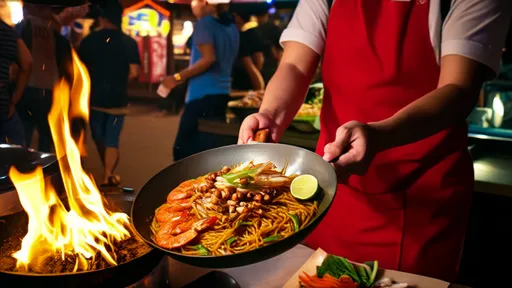
Loneliness often creeps in during transitional moments—mealtimes, evenings, or long transit periods. I structure my days to include built-in social interactions. Instead of eating dinner alone with my phone, I book cooking classes or food tours where conversation flows naturally over shared activities. Many cities offer "social dining" experiences through platforms like EatWith, connecting travelers with local hosts for home-cooked meals. For mornings, I frequent the same neighborhood café until the barista recognizes my order—these small, repeated interactions create a sense of belonging. When visiting museums, I join guided tours rather than wandering alone. The shared experience of appreciating art often sparks conversations that continue beyond the gallery walls.
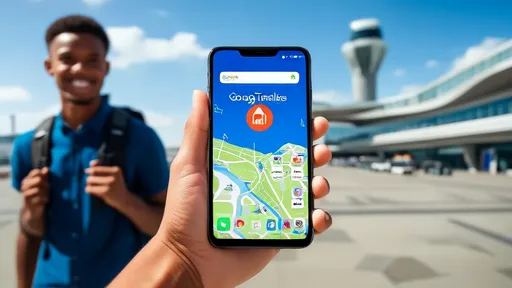
Technology can be both a bridge and a barrier. While it's tempting to scroll through social media when feeling isolated, this often deepens the disconnect. Instead, I use apps strategically to facilitate real-world connections. Bumble BFF mode has helped me meet incredible people in multiple countries—from hiking buddies in Switzerland to concert companions in London. Meetup remains fantastic for finding interest-based gatherings, whether it's a photography walk or language exchange. But here's my rule: I limit digital socializing to making plans, not replacing actual interaction. Thirty minutes of messaging to arrange a coffee meetup is productive; three hours of scrolling through friends' vacation photos while sitting alone in a beautiful plaza is self-sabotage.
Sometimes we feel lonely because we're measuring travel connections against our friendships back home. A fifteen-minute chat with a market vendor about her family recipes won't feel the same as your weekly wine night with best friends—and it shouldn't. I've learned to appreciate brief, meaningful exchanges as complete connections in themselves. That elderly man who showed me how to properly eat street food in Bangkok, the student who explained local politics over tea in Istanbul—these moments created lasting memories without needing to evolve into lifelong friendships. This mindset shift was revolutionary for me. Now I collect these micro-connections like souvenirs, valuing their temporary beauty rather than mourning their brevity.
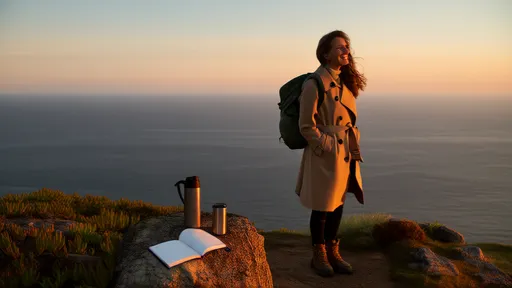
Paradoxically, learning to enjoy your own company is the ultimate antidote to loneliness. I schedule "solo dates" where I fully immerse in experiences without the pressure to socialize. Bringing a journal to a cozy café, taking a long walk through a new neighborhood, or spending an afternoon reading in a beautiful park—these moments become gifts rather than punishments. The key is intentionality: this isn't time spent alone because you have to be, but because you choose to be. I find that after a few hours of quality solitude, I actually feel more open to connecting with others. It's like resetting your social battery—you return to interactions refreshed rather than desperate.
Rituals create comfort in unfamiliar territory. I've developed personal traditions that make me feel connected to both myself and the places I visit. In every city, I find a local market to buy fresh ingredients for a simple meal—this routine grounds me. I also collect small, functional souvenirs (a coffee mug from Lisbon, a tea strainer from Kyoto) that I use daily back home, creating continuity between my travels and everyday life. Another tradition: I send postcards to friends and family, not just as souvenirs for them, but as a way to process my experiences through writing. These small acts transform you from a passive observer to an active participant in your journey.
What we often call loneliness during solo travel is actually something more complex—the discomfort of being fully present with ourselves without distractions. In our daily lives, we're rarely truly alone; there's always another notification, another obligation, another person needing our attention. Solo travel strips that away, and the initial silence can feel alarming. But with practice, that silence becomes rich with self-discovery. I've had my most creative ideas, solved personal problems, and gained clarity about life direction during what initially felt like lonely moments. The secret isn't to fill every moment with people, but to appreciate the unique opportunity solo travel provides for both connection and reflection.
Solo travel without loneliness isn't about being constantly surrounded by people—it's about knowing how to create meaningful connections when you want them, and enjoying your own company when you don't. Start with just one strategy from this article on your next trip. Book that cooking class, join that local meetup, or simply sit in a café without your phone for thirty minutes. The world is filled with potential friends and fascinating stories waiting to intersect with yours. Remember: being alone is a circumstance; feeling lonely is a choice. And you now have the tools to choose differently.

By Christopher Harris/Nov 17, 2025

By David Anderson/Nov 17, 2025
By Emma Thompson/Nov 17, 2025

By Olivia Reed/Nov 17, 2025
By Eric Ward/Nov 17, 2025
By Benjamin Evans/Nov 17, 2025

By David Anderson/Nov 17, 2025

By David Anderson/Nov 17, 2025
By David Anderson/Nov 17, 2025
By Daniel Scott/Nov 17, 2025

By Laura Wilson/Nov 17, 2025
By John Smith/Nov 17, 2025

By George Bailey/Nov 17, 2025
By Michael Brown/Nov 17, 2025

By Joshua Howard/Nov 17, 2025
By George Bailey/Nov 17, 2025

By Sophia Lewis/Nov 17, 2025
By Laura Wilson/Nov 17, 2025
By Samuel Cooper/Nov 17, 2025
By Lily Simpson/Nov 17, 2025