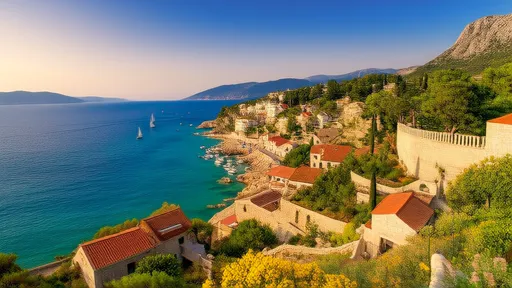
I used to be the person who planned every vacation around peak season. You know the drill—booking flights months in advance, fighting crowds at every landmark, and paying double for the privilege. It felt like the only way to travel. Then, on a whim, I took a trip to Italy in late October. The experience was so transformative that I haven't looked back since. Off-season travel isn't just a preference for me now; it's a borderline obsession. And by the end of this, you'll understand exactly why—and how you can plan a trip that's cheaper, more authentic, and infinitely more relaxing.
Let's start with the most obvious perk: your wallet will thank you. Traveling during the shoulder or low season can slash your costs dramatically. I'm not just talking about a small discount. We're looking at flights that are sometimes half the price, hotels offering deals you'd never see in July, and even attractions with reduced entry fees. On that fateful Italy trip, I stayed in a beautiful boutique hotel in Rome for a fraction of its high-season rate. The money I saved on accommodation meant I could splurge on incredible meals and private tours without a shred of guilt. It completely changes your financial calculus for a trip, allowing you to upgrade your experience or simply travel more often.
Beyond the financial win, the sheer absence of crowds is a game-changer for your mental state. Imagine walking through the Louvre without being jostled, or seeing the Acropolis without a sea of selfie sticks blocking your view. That's the off-season reality. You get to actually see the art, feel the history, and absorb the atmosphere. It transforms a sightseeing checklist into a genuine cultural immersion. You're not just ticking a box; you're forming a real connection with the place. The frantic energy of a packed high-season destination is replaced by a sense of calm and presence that is, frankly, priceless.
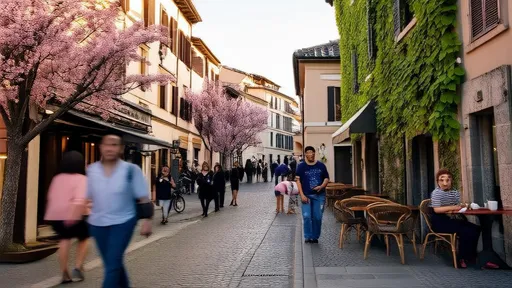
Now, a common fear is that everything will be closed. This is the biggest misconception about traveling off-peak. While it's true that some highly seasonal, remote resorts might shut down, most major cities and cultural destinations are fully operational. Restaurants, museums, and shops are all open—they're just less crowded. In fact, you often get better service because staff aren't stretched to their limits. I've found that locals have more time to chat, share recommendations, and you get a glimpse of daily life rather than a performative tourist version. You experience the destination as it is, not as it's packaged for the summer masses.
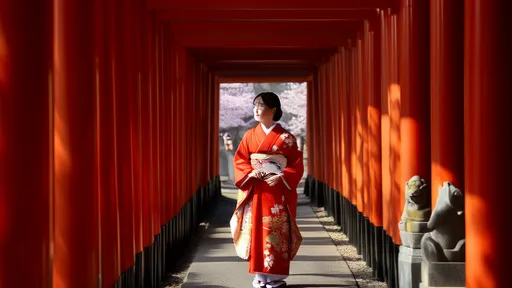
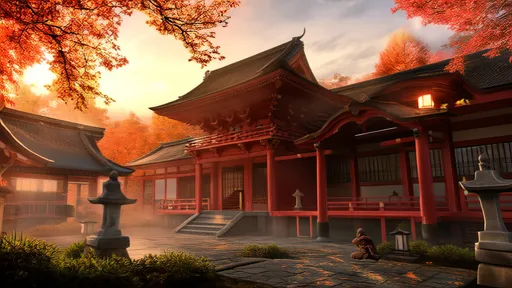
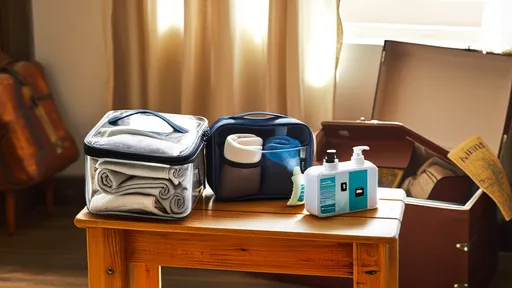
Of course, you need a strategy. The key is choosing the right destination. Avoid places that are truly defined by a specific season, like a ski resort in July or a beach town in a monsoon. Instead, focus on cultural hubs and cities with indoor attractions. Think Paris in November, Kyoto in February, or New York in January. The weather might be cooler, but you can easily plan your days around museums, galleries, cafes, and cozy restaurants. Packing is crucial—layers are your best friend. A good waterproof jacket and comfortable boots can make a drizzly day in London feel like a charming adventure rather than a washout.
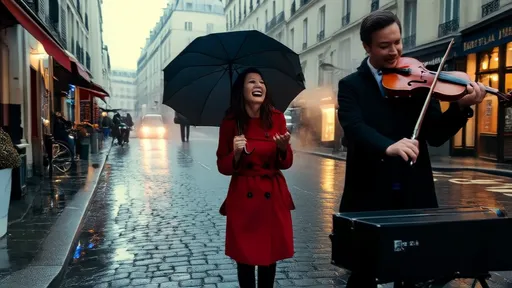
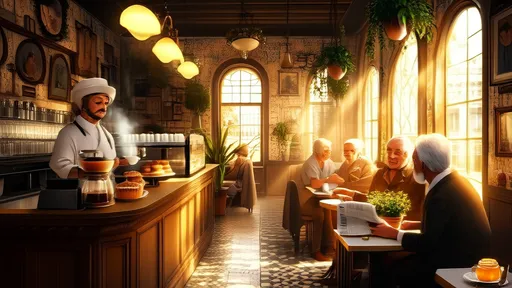
Let's talk about the weather, the elephant in the room. Yes, you might not get guaranteed sunshine. But I've found that experiencing a place in its "off" weather can be incredibly atmospheric. Seeing Edinburgh wrapped in a light mist or Prague under a dusting of snow adds a layer of magic and drama that you'd never get under a blazing sun. It's a different kind of beauty, one that feels more authentic and less curated for postcards. Plus, a little rain is the perfect excuse to duck into a cozy pub or a charming bookstore, often leading to the most memorable, unplanned moments of a trip.
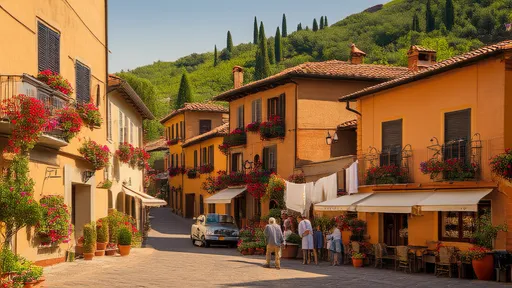
This shift in travel philosophy goes deeper than logistics. For me, off-season travel reclaimed the joy of discovery. It's no longer about competing for the best photo spot or rushing through a crowded palace. It's about slow travel. It's about sitting in a piazza for an hour just watching the world go by, or having a long conversation with a shopkeeper. It removes the performance pressure of modern tourism and allows you to be a traveler, not just a tourist. The trip becomes about your personal experience and connection, not about the external validation of having been there.
So, the next time you're dreaming of a getaway, resist the urge to book for July. Dare to be different. Look at the calendar, find that sweet spot just after the summer rush or before the winter holidays, and book the trip. Pack a warm sweater and a sense of adventure. You'll save money, your sanity, and you might just find that you fall in love with travel all over again. Trust me, your only regret will be that you didn't start doing it sooner.
By Christopher Harris/Nov 17, 2025
By David Anderson/Nov 17, 2025
By Emma Thompson/Nov 17, 2025

By Olivia Reed/Nov 17, 2025
By Eric Ward/Nov 17, 2025
By Benjamin Evans/Nov 17, 2025
By David Anderson/Nov 17, 2025

By David Anderson/Nov 17, 2025
By David Anderson/Nov 17, 2025
By Daniel Scott/Nov 17, 2025
By Laura Wilson/Nov 17, 2025
By John Smith/Nov 17, 2025

By George Bailey/Nov 17, 2025
By Michael Brown/Nov 17, 2025
By Joshua Howard/Nov 17, 2025
By George Bailey/Nov 17, 2025
By Sophia Lewis/Nov 17, 2025
By Laura Wilson/Nov 17, 2025
By Samuel Cooper/Nov 17, 2025
By Lily Simpson/Nov 17, 2025