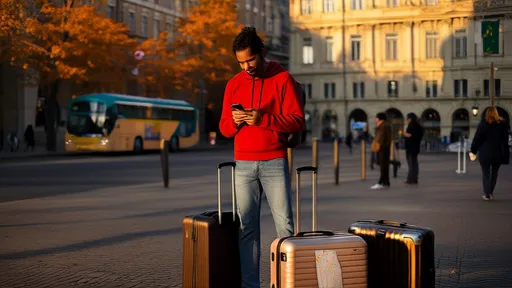
I almost had a panic attack at the airport check-in counter. My meticulously planned two-week European tour was about to begin, but the airline representative delivered the bad news with a sympathetic smile. My connecting flight was cancelled due to an unexpected storm system. Instead of my neat two-hour layover, I was looking at a grueling 14-hour overnight stay in an airport I'd never intended to visit. At that moment, it felt like the ultimate travel failure—the kind of mistake you desperately try to avoid. But that unplanned, frustrating delay turned out to be the best thing that could have happened to my trip.
We spend so much energy trying to craft the perfect, seamless itinerary. We book tight connections, pack our days with back-to-back activities, and chase efficiency above all else. The modern traveler's greatest fear is wasted time. But what if the wasted time is the point? My forced extended layover in Lisbon taught me that the magic of travel isn't found in the flawless execution of a plan, but in the beautiful, unscripted moments that happen when that plan completely falls apart. By the end of this, you'll see how embracing the unexpected can transform your entire travel philosophy, turning a logistical nightmare into your most cherished memory.
Let's start with the initial shock and the practical reality. Finding out you're stranded is stressful. Your first instinct is to solve it—to call, complain, and find any way out. I did all that. After an hour on hold with the airline, the reality set in: I was staying in Lisbon until the next afternoon. The airline provided a voucher for a generic airport hotel, but the check-in wasn't for another six hours. So there I was, with my carry-on, exhausted and defeated, sitting on a cold airport floor. This was the low point. But it was also the turning point. I made a decision: I could either sit here and be miserable, or I could walk out of the airport and see what was there. It was a simple choice, but it changed everything.
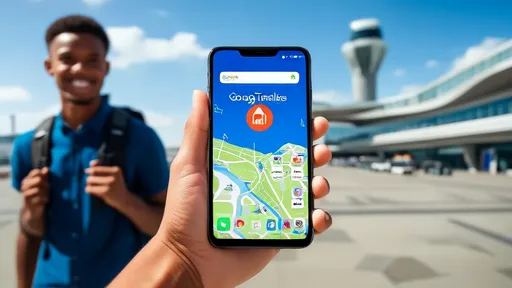
This leads to the first actionable step: reclaim your stranded time. Don't see a long layover as a prison sentence. See it as a bonus, unplanned mini-trip. Most international airports have luggage storage facilities. For a small fee, I stored my carry-on, keeping only my passport, wallet, and phone. I was free. I used a ride-sharing app and within 20 minutes, I was dropped off in the heart of Lisbon's Alfama district, a place that wasn't on my original itinerary at all. The mistake many travelers make is staying cocooned in the airport, scrolling through their phones in resentment. The correction is simple: get out. Even if you only have five hours, that's enough time to explore a nearby neighborhood, taste local food, and breathe real air. It’s a no-brainer that most people are too anxious to try.
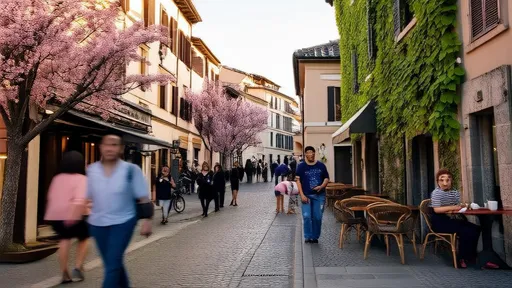
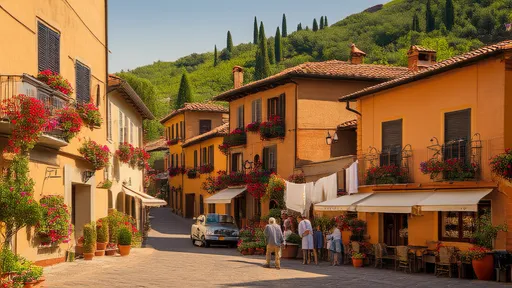
What I discovered in Alfama was the soul of my entire vacation. My original plan was all about hitting the major tourist capitals. It was efficient, but it was also a checklist. Wandering through Alfama's narrow, winding streets, getting lost, and hearing the sound of Fado music drifting from a tiny taverna—this was the authentic connection I didn't know I was missing. I struck up a conversation with an elderly shop owner who insisted I try a specific pastel de nata from a bakery that wasn't in any guidebook. It was the best thing I ate in all of Europe. None of this would have happened if my flight had been on time. The unplanned detour gifted me a genuine cultural experience that my over-scheduled itinerary had completely filtered out.
This experience also forced a much-needed shift in my travel mindset. I am a natural planner, and my itineraries are famously rigid. This "mistake" broke that pattern. For the rest of my trip, I deliberately left gaps. I canceled a museum booking in Paris to instead sit in a park and people-watch for two hours. I skipped a highly-rated restaurant in Rome to follow a local's recommendation for a tiny family-run trattoria. The layover taught me that over-planning can create a barrier between you and the serendipitous joy of travel. The goal isn't to see everything; it's to truly experience a few things. My trip became less about documenting and more about absorbing.
Of course, there are precautions to take when embracing the unexpected. I'm not suggesting you throw all caution to the wind. Always keep your passport, money, and phone secure. Make sure you have travel insurance. Set multiple alarms on your phone to give yourself a huge buffer to get back to the airport. Know the basic local emergency number. But within that framework of safety, give yourself permission to get a little lost. The biggest mistake isn't the changed plan; it's refusing to adapt to it. I've met so many travelers who are slaves to their itinerary, their enjoyment contingent on everything going perfectly. That's a fragile way to travel.
Beyond the practical sightseeing, there's a deeper, more personal reward that comes from these mishaps. It's the quiet confidence that you can handle things when they go wrong. Travel, at its core, is about growth. Navigating an unexpected situation in a foreign city, relying on your wits and the kindness of strangers, does more for your personal development than a dozen perfectly executed tours ever could. That night in Lisbon, I felt more like a traveler and less like a tourist. The anxiety of the initial problem was replaced by a profound sense of capability and wonder. It reminded me why I fell in love with travel in the first place—not for the comfort, but for the adventure.
So, the next time your flight is cancelled, your hotel booking is lost, or your train is delayed, take a deep breath. See it not as a ruinous error, but as a hidden opportunity. The best stories rarely come from the things that went right. They come from the chaotic, beautiful mess of things that went sideways. My "travel mistake" didn't just add a city to my map; it fundamentally reshaped how I move through the world, teaching me to hold my plans lightly and welcome the detours. Your greatest travel adventure is probably waiting for you in the very thing you're trying hardest to avoid.

By Christopher Harris/Nov 17, 2025

By David Anderson/Nov 17, 2025

By Emma Thompson/Nov 17, 2025

By Olivia Reed/Nov 17, 2025
By Eric Ward/Nov 17, 2025
By Benjamin Evans/Nov 17, 2025

By David Anderson/Nov 17, 2025

By David Anderson/Nov 17, 2025
By David Anderson/Nov 17, 2025
By Daniel Scott/Nov 17, 2025

By Laura Wilson/Nov 17, 2025
By John Smith/Nov 17, 2025

By George Bailey/Nov 17, 2025
By Michael Brown/Nov 17, 2025

By Joshua Howard/Nov 17, 2025
By George Bailey/Nov 17, 2025

By Sophia Lewis/Nov 17, 2025
By Laura Wilson/Nov 17, 2025
By Samuel Cooper/Nov 17, 2025
By Lily Simpson/Nov 17, 2025