The field of prosthetic technology has witnessed a groundbreaking advancement with the development of myoelectric prosthetic limbs integrated with tactile feedback systems. These sophisticated devices are transforming the lives of amputees by restoring not just mobility but also the sense of touch. Unlike traditional prosthetics, which rely solely on visual cues for operation, myoelectric prosthetics with tactile feedback bridge the gap between the artificial limb and the user’s nervous system, creating a more intuitive and natural experience.
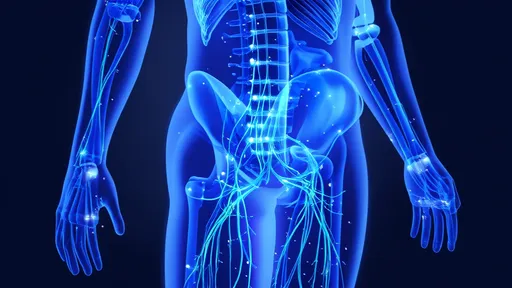
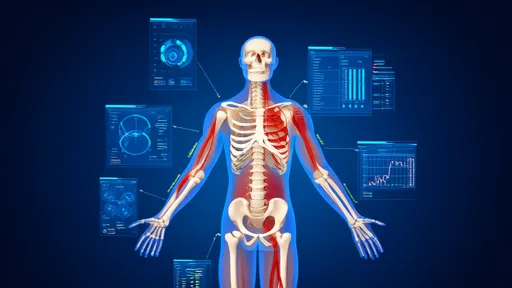
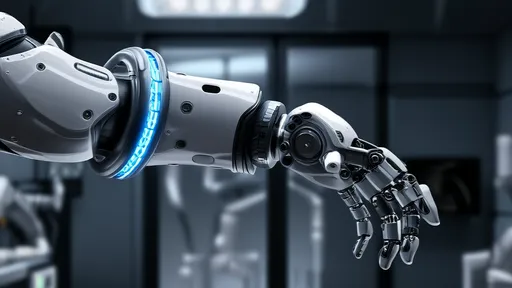
At the core of this innovation lies the ability to translate electrical signals generated by residual muscles into precise movements of the prosthetic limb. Myoelectric sensors detect these signals, allowing users to control their artificial limbs with remarkable dexterity. However, the addition of tactile feedback elevates this technology to new heights. By incorporating pressure sensors and advanced algorithms, the system can simulate the sensation of touch, enabling users to perceive texture, pressure, and even temperature in real-time.
The implications of this technology extend far beyond mere functionality. For amputees, the loss of a limb often comes with a profound psychological impact, including feelings of detachment and frustration. Traditional prosthetics, while helpful, do little to address these emotional challenges. In contrast, myoelectric prosthetics with tactile feedback offer a sense of reconnection with the physical world. Users report feeling more confident and less conscious of their artificial limbs, as the feedback system creates a more seamless integration between body and device.
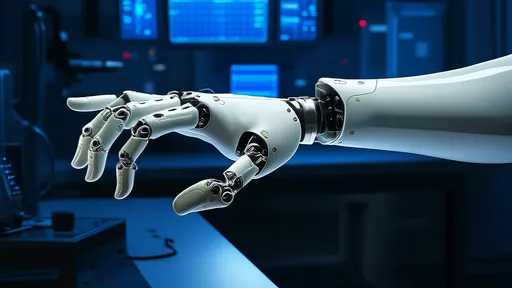
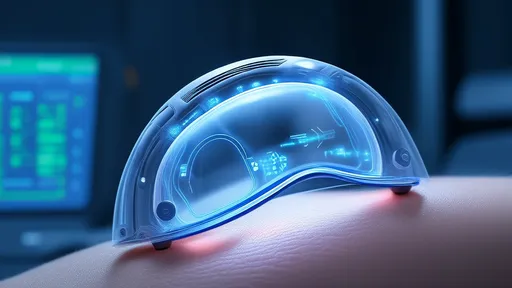
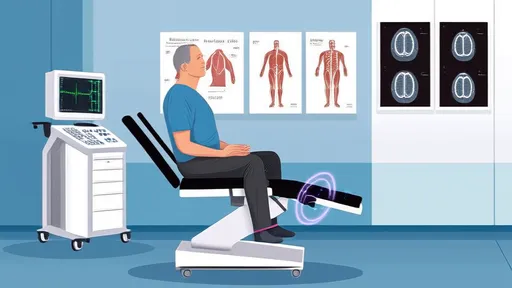
One of the most remarkable aspects of this technology is its adaptability. Researchers have developed various methods to deliver tactile feedback, ranging from vibrations and pressure points to direct neural stimulation. Some systems use small actuators embedded in the prosthetic hand to mimic the sensation of touch, while others employ electrodes to stimulate the residual nerves in the amputated limb. Each approach has its unique advantages, and ongoing research aims to refine these methods to achieve even greater realism and responsiveness.
The journey to perfecting tactile feedback in prosthetics has not been without challenges. Early iterations of the technology faced issues such as delayed response times and limited sensitivity. However, recent advancements in machine learning and sensor technology have addressed many of these hurdles. Modern systems can now process sensory data at unprecedented speeds, allowing for near-instantaneous feedback. This has opened the door to more complex interactions, such as gripping delicate objects or sensing subtle changes in surface texture.
Another critical development is the miniaturization of components. Early tactile feedback systems were often bulky and impractical for everyday use. Today, engineers have succeeded in designing compact, lightweight sensors and actuators that can be seamlessly integrated into prosthetic limbs without compromising comfort or mobility. This has made the technology more accessible to a broader range of users, including those with upper-limb amputations who require high levels of precision in their daily activities.
The potential applications of myoelectric prosthetics with tactile feedback are vast. Beyond assisting amputees, this technology holds promise for individuals with spinal cord injuries or other conditions that impair sensory function. Researchers are also exploring its use in virtual reality and robotics, where realistic tactile feedback could enhance user experience and operational efficiency. As the technology continues to evolve, its impact is expected to ripple across multiple industries, from healthcare to entertainment.
Despite these advancements, there is still much work to be done. The cost of myoelectric prosthetics with tactile feedback remains a significant barrier for many potential users. While prices have decreased over the years, these devices are still out of reach for a large portion of the global population. Efforts are underway to develop more affordable solutions, including open-source designs and modular components that can be customized to fit individual needs and budgets.
Ethical considerations also come into play as this technology progresses. Questions about data privacy, neural interface security, and the long-term effects of sensory augmentation are being actively debated. Ensuring that these devices are safe, reliable, and ethically deployed will be crucial as they become more widespread. Collaboration between engineers, medical professionals, and ethicists will be essential to navigate these complex issues.
Looking ahead, the future of myoelectric prosthetics with tactile feedback is incredibly promising. With continued innovation and investment, these devices have the potential to redefine what it means to live with a prosthetic limb. The ability to feel and interact with the world in a more natural way represents not just a technological milestone but a profound step forward in improving the quality of life for amputees worldwide.
By /Jul 21, 2025
By /Jul 21, 2025
By /Jul 21, 2025
By /Jul 21, 2025
By /Jul 21, 2025
By /Jul 21, 2025
By /Jul 21, 2025
By /Jul 21, 2025
By /Jul 21, 2025
By /Jul 21, 2025

By /Jul 21, 2025
By /Jul 21, 2025
By /Jul 21, 2025
By /Jul 21, 2025
By /Jul 21, 2025
By /Jul 21, 2025
By /Jul 21, 2025
By /Jul 21, 2025
By /Jul 21, 2025
By /Jul 21, 2025