The intersection of vestibular rehabilitation and gamification represents one of the most exciting frontiers in modern therapeutic design. For patients suffering from dizziness, imbalance, or vertigo due to vestibular disorders, traditional exercises can often feel repetitive and monotonous. This is where game-based interventions step in, transforming rehabilitation into an engaging, interactive experience that motivates patients while delivering measurable clinical outcomes.
The Science Behind Vestibular Rehabilitation
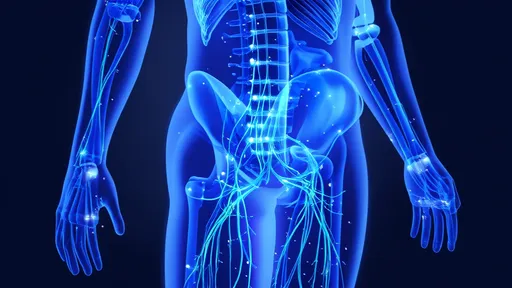
Vestibular rehabilitation therapy (VRT) has long been established as a cornerstone treatment for patients with inner ear disorders or neurological conditions affecting balance. By incorporating customized eye and head movements, along with balance training exercises, VRT helps the brain adapt to vestibular dysfunction. However, adherence to these exercises remains a persistent challenge—many patients find the routines tedious, leading to inconsistent practice and suboptimal recovery.
This is precisely why researchers and clinicians are turning to gamification. By embedding vestibular exercises into interactive game mechanics, patients are more likely to stay committed to their therapy. The immersive nature of games distracts from the discomfort of rehabilitation while reinforcing the repetition needed for neuroplasticity. Studies have shown that patients using gamified VRT systems report higher satisfaction and are more likely to complete their prescribed regimens.
How Gamification Enhances Engagement
Unlike traditional therapy, which often relies on rote repetition, gamified vestibular rehab introduces elements like scoring systems, progress tracking, and adaptive difficulty levels. These features tap into intrinsic motivators such as achievement and mastery. For example, a patient performing gaze stabilization exercises might control an on-screen character by maintaining visual focus on a moving target. Successfully completing levels not only indicates clinical progress but also provides a sense of accomplishment.
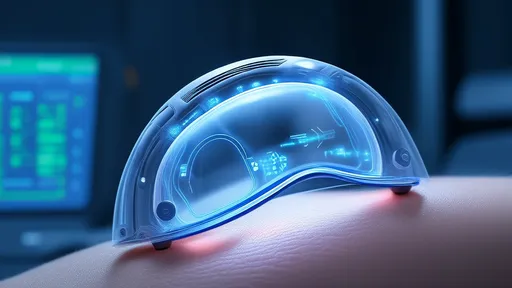
Another key advantage is real-time feedback. Wearable sensors or motion-tracking cameras can monitor a patient’s movements, offering instant corrections or rewards. This immediate response loop helps patients adjust their techniques dynamically, accelerating the recalibration of their vestibular system. Moreover, multiplayer or social features can foster a sense of community, allowing patients to share milestones and encourage one another—a psychological boost that traditional therapy lacks.
Innovative Applications in Clinical Settings
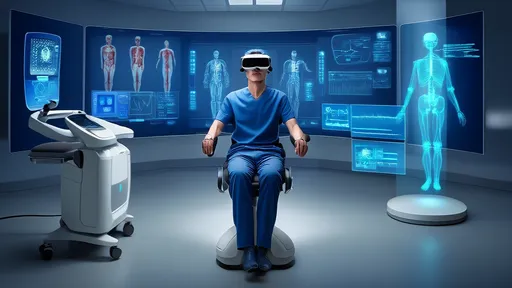
Several pioneering systems have already demonstrated the potential of gamified vestibular rehab. Virtual reality (VR) headsets, for instance, immerse patients in environments where they navigate obstacles or complete tasks that require precise head movements. These scenarios are not just entertaining; they simulate real-world challenges like walking in crowded spaces or turning quickly—activities that often trigger symptoms in vestibular patients.
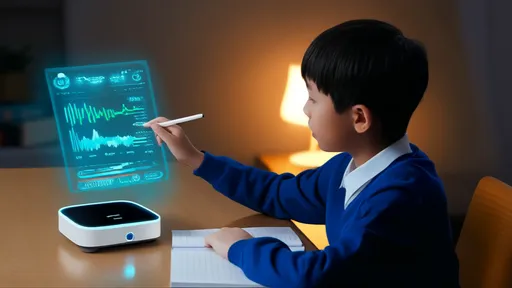
Mobile apps have also entered the space, offering portable solutions for home-based rehab. These apps use the smartphone’s accelerometer and gyroscope to guide patients through exercises, turning daily sessions into interactive challenges. Some even incorporate augmented reality (AR), overlaying digital elements onto the physical world to create engaging, context-aware workouts. The flexibility of these tools ensures therapy can continue beyond the clinic, reducing dropout rates.
Challenges and Future Directions
Despite its promise, gamified vestibular rehab is not without hurdles. Designing games that are both clinically effective and genuinely enjoyable requires close collaboration between healthcare professionals and game developers. Striking this balance is critical—overemphasizing entertainment might dilute therapeutic value, while excessive focus on medical rigor could render the experience dull.
Accessibility is another concern. Not all patients have the resources or technical proficiency to use VR headsets or advanced apps. Ensuring these solutions are affordable and user-friendly will be essential for widespread adoption. Future iterations may leverage artificial intelligence to personalize game difficulty in real-time, tailoring exercises to each patient’s progress and symptom severity.
The road ahead is ripe with opportunity. As technology evolves, so too will the sophistication of gamified vestibular rehab. From biofeedback-enhanced games to AI-driven adaptive systems, the fusion of play and therapy is poised to redefine how we approach balance disorders—one engaging session at a time.
By /Jul 21, 2025

By /Jul 21, 2025

By /Jul 21, 2025
By /Jul 21, 2025
By /Jul 21, 2025

By /Jul 21, 2025
By /Jul 21, 2025
By /Jul 21, 2025
By /Jul 21, 2025
By /Jul 21, 2025

By /Jul 21, 2025

By /Jul 21, 2025

By /Jul 21, 2025
By /Jul 21, 2025

By /Jul 21, 2025
By /Jul 21, 2025

By /Jul 21, 2025

By /Jul 21, 2025
By /Jul 21, 2025
By /Jul 21, 2025