Parkinson’s disease, a progressive neurodegenerative disorder, continues to challenge both patients and clinicians in managing its motor and non-motor symptoms. Among the array of adjunct therapies being explored, vibration therapy has garnered attention for its potential to improve mobility, reduce tremors, and enhance quality of life. Unlike pharmaceutical interventions, vibration therapy offers a non-invasive approach with minimal side effects, making it an appealing option for long-term management. However, the efficacy of this therapy hinges on precise parameters, including frequency, amplitude, duration, and application method.
Understanding the Science Behind Vibration Therapy
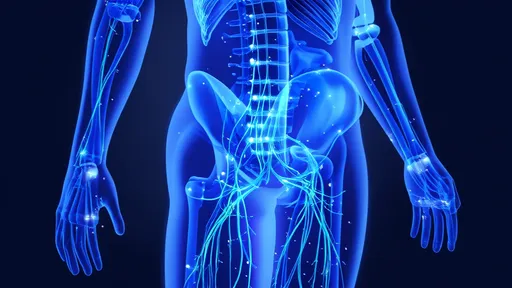
The underlying principle of vibration therapy lies in its ability to stimulate mechanoreceptors in the skin, muscles, and joints. These receptors send signals to the brain, which may help counteract the dysfunctional neural pathways characteristic of Parkinson’s disease. Research suggests that mechanical vibrations can modulate brain activity, particularly in the basal ganglia, a region heavily affected by dopamine depletion. By fine-tuning the parameters of vibration, clinicians aim to optimize neuroplasticity and motor function.
Studies have employed frequencies ranging from 30 Hz to 300 Hz, with lower frequencies often targeting muscle relaxation and higher frequencies focusing on tremor suppression. Amplitude, or the intensity of vibration, is equally critical. Too little may yield no therapeutic effect, while excessive amplitude could lead to discomfort or even exacerbate symptoms. The duration of sessions—typically between 10 to 30 minutes—also plays a role in determining outcomes. Longer sessions are not necessarily better; instead, consistency and adherence to a structured regimen appear more influential.
Current Applications and Device Variability
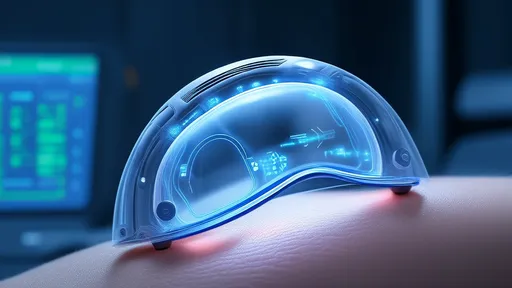
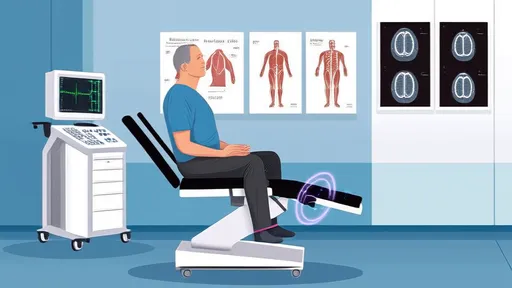
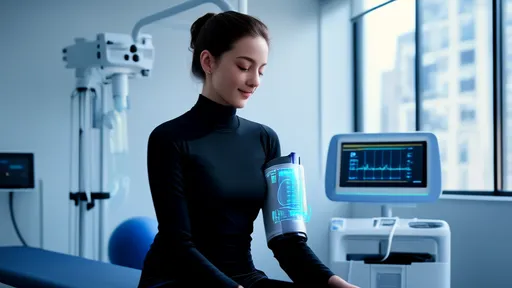
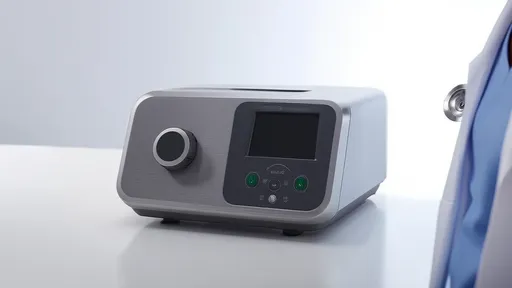
Vibration therapy devices vary widely, from whole-body platforms to localized wearable gadgets. Whole-body vibration (WBV) platforms, often used in clinical settings, expose patients to vertical or oscillatory movements while standing or sitting. These sessions are usually supervised to ensure safety and proper technique. On the other hand, wearable devices, such as gloves or belts, deliver targeted vibrations to specific muscle groups. These portable options allow for at-home use, though their long-term effectiveness remains under investigation.
One notable example is the use of vibration-enabled walking sticks, which provide rhythmic cues to improve gait stability. Another innovation involves smart garments embedded with vibrating actuators designed to reduce rigidity and bradykinesia. The diversity of devices underscores the need for standardized protocols. Without uniformity in parameters, comparing results across studies becomes challenging, hindering the establishment of evidence-based guidelines.
Patient-Specific Considerations and Future Directions
Not all patients respond to vibration therapy uniformly. Factors such as disease severity, age, and individual sensitivity to vibrations influence outcomes. For instance, those in early-stage Parkinson’s may experience more pronounced benefits compared to advanced-stage patients with significant motor complications. Additionally, non-motor symptoms like sleep disturbances and anxiety may also respond to vibration, though research in this area is still nascent.
Future studies must prioritize large-scale, randomized controlled trials to validate optimal parameters. Combining vibration therapy with other modalities, such as physiotherapy or pharmacotherapy, could also enhance its efficacy. Moreover, advancements in wearable technology may enable real-time adjustments to vibration settings based on patient feedback or biometric data, paving the way for personalized treatment plans.
Conclusion
Vibration therapy represents a promising frontier in Parkinson’s disease management, offering a blend of innovation and practicality. While current research highlights its potential, the lack of consensus on ideal parameters calls for further investigation. As scientists and clinicians refine their understanding, vibration therapy could evolve into a mainstream adjunct treatment, empowering patients to reclaim control over their mobility and daily lives.

By /Jul 21, 2025

By /Jul 21, 2025

By /Jul 21, 2025
By /Jul 21, 2025
By /Jul 21, 2025

By /Jul 21, 2025
By /Jul 21, 2025
By /Jul 21, 2025
By /Jul 21, 2025
By /Jul 21, 2025

By /Jul 21, 2025

By /Jul 21, 2025

By /Jul 21, 2025
By /Jul 21, 2025

By /Jul 21, 2025
By /Jul 21, 2025
By /Jul 21, 2025

By /Jul 21, 2025

By /Jul 21, 2025
By /Jul 21, 2025