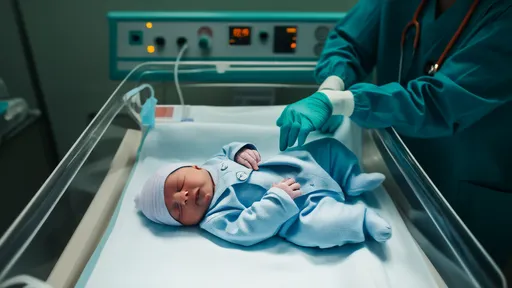
The delicate ecosystem of the human gut microbiome begins its formation at birth, but for premature infants, this process is often disrupted by medical interventions, sterile environments, and underdeveloped organ systems. Emerging research reveals that targeted microbial interventions during this critical window may reshape health outcomes for preterm neonates, offering protection against devastating conditions like necrotizing enterocolitis (NEC) and late-onset sepsis. Scientists are now decoding how microbial therapeutics could rewrite the survival narrative for these vulnerable patients.
Unlike full-term babies who acquire microbes through natural birth and breastfeeding, preemies frequently encounter antibiotics before their first breath. Their immature intestines struggle to establish balanced microbial communities, creating a pathological vacuum that opportunistic pathogens readily exploit. Recent metagenomic studies demonstrate that preterm infants often develop gut microbiomes dominated by hospital-acquired bacteria like Enterobacteriaceae and Staphylococcus rather than the beneficial Bifidobacterium species prevalent in healthy term infants. This dysbiosis correlates strongly with increased inflammation and intestinal permeability.
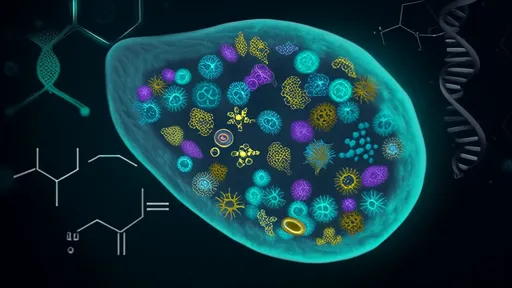
The most promising interventions focus on microbial seeding strategies that mimic natural colonization patterns. Human milk oligosaccharides (HMOs), complex sugars abundant in breast milk, serve as prebiotics to selectively nourish protective bacteria. When combined with carefully screened probiotic strains such as Bifidobacterium breve and Lactobacillus rhamnosus GG, these compounds appear to reduce NEC incidence by up to 50% in clinical trials. Researchers at Stanford’s March of Dimes Prematurity Research Center recently isolated novel HMO-metabolizing bacteria from donor milk that could form the basis of next-generation synbiotic formulations.
Fecal microbiota transplantation (FMT) from healthy mothers represents a more controversial approach gaining traction in experimental neonatal units. A pilot study in Singapore demonstrated that diluted maternal stool transplants administered via feeding tube could establish protective microbial networks within 72 hours. The treated infants showed significantly improved weight gain trajectories and reduced inflammatory markers compared to controls. However, regulatory hurdles remain substantial, as the FDA currently classifies FMT as an investigational drug requiring extensive safety profiling.
Timing proves critical in these interventions. The so-called "microbial golden hour"—the immediate postnatal period when the gut is most receptive to colonization—may be extended in preemies through careful environmental modifications. Some NICUs are experimenting with maternal skin-to-skin contact immediately after cesarean delivery, allowing vertical transmission of microbes from mother to infant. Others utilize incubators lined with textiles containing maternal vaginal lactobacilli. These low-tech solutions show surprising efficacy in establishing healthier microbial profiles.
Commercial entities are racing to develop standardized microbial products for this vulnerable population. Companies like Evolve BioSystems and Infant Bacterial Therapeutics have entered Phase III trials with proprietary probiotic blends. Meanwhile, academic consortia are creating comprehensive strain libraries characterizing microbial function in preterm guts. The European PREMIUM project recently cataloged over 200 functionally validated strains with anti-inflammatory and gut-barrier strengthening properties.
Despite these advances, significant knowledge gaps persist. Researchers still debate whether microbial therapies should be tailored to an infant’s gestational age, delivery mode, or antibiotic exposure history. The long-term neurodevelopmental impacts of early microbiome manipulation remain unknown. Ethical considerations also arise regarding the use of donor-derived microbes in immunocompromised neonates. Ongoing longitudinal studies like the NIH’s PREEMIE PROTECT aim to address these questions through multi-omic analysis of treated infants through childhood.
As neonatology moves toward precision microbial medicine, the field must balance innovation with caution. Each gram of a preemie’s body weight represents a potential lifetime of health consequences, making the stakes of gut microbiome intervention extraordinarily high. The coming decade will likely see a paradigm shift from simply preventing pathogenic infections to actively engineering resilient microbial ecosystems that can compensate for premature birth’s biological disadvantages.

By /Jul 21, 2025

By /Jul 21, 2025
By /Jul 21, 2025

By /Jul 21, 2025
By /Jul 21, 2025
By /Jul 21, 2025
By /Jul 21, 2025
By /Jul 21, 2025

By /Jul 21, 2025
By /Jul 21, 2025
By /Jul 21, 2025
By /Jul 21, 2025
By /Jul 21, 2025
By /Jul 21, 2025
By /Jul 21, 2025

By /Jul 21, 2025
By /Jul 21, 2025

By /Jul 21, 2025

By /Jul 21, 2025

By /Jul 21, 2025