For millions of people living with spinal cord injuries or neurological disorders, bladder dysfunction remains one of the most challenging and life-altering consequences. The loss of voluntary control over urination not only affects physical health but also takes a significant psychological toll. However, recent advancements in spinal cord stimulation (SCS) are offering new hope for restoring bladder function in these patients.
The bladder is a complex organ controlled by intricate neural circuits that communicate between the brain and spinal cord. When this communication is disrupted due to injury or disease, it can lead to either urinary retention or incontinence - both of which severely impact quality of life. Traditional treatments have focused on managing symptoms rather than restoring function, but SCS represents a paradigm shift in approach.
Understanding the Science Behind the Innovation
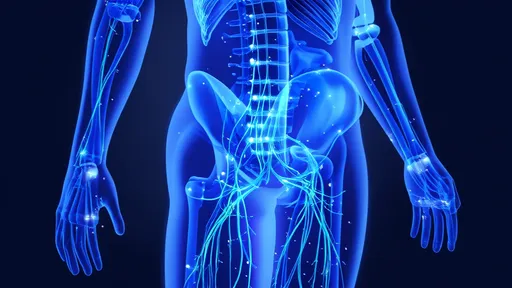
Spinal cord stimulation works by delivering precisely controlled electrical pulses to specific areas of the spinal cord. Researchers have discovered that certain stimulation patterns can reactivate dormant neural pathways or create new ones, effectively bypassing damaged areas. This neuromodulation approach differs fundamentally from previous methods that simply attempted to override the natural bladder control system.
Early clinical trials have demonstrated remarkable results. Patients who previously relied on catheters or medications have regained partial or complete control over bladder emptying. The stimulation appears to restore the coordination between bladder contraction and sphincter relaxation - a delicate balance that's essential for normal voiding. What's particularly exciting is that some patients maintain improved function even when the stimulation is turned off, suggesting the possibility of long-term neural reorganization.
Clinical Applications and Patient Outcomes
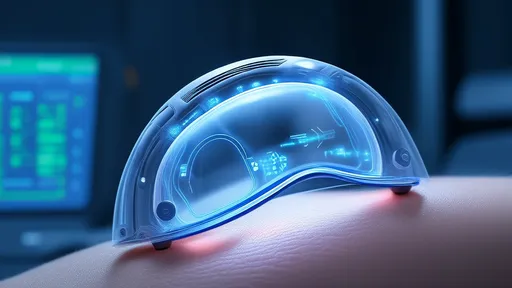
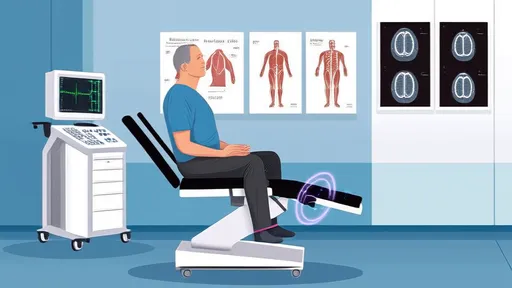
The application of SCS for bladder function isn't limited to spinal cord injury patients. Those with multiple sclerosis, Parkinson's disease, and other neurological conditions affecting bladder control may also benefit. The procedure typically involves implanting a small device similar to a pacemaker that delivers electrical pulses to targeted spinal cord regions.
Patient testimonials reveal transformative changes. Many report not just restored bladder function but also improved quality of life, reduced infections, and regained dignity. The ability to control one's bladder function after years of dependence on catheters or diapers can be profoundly liberating. Some patients describe it as regaining a fundamental aspect of their independence that they thought was lost forever.
Challenges and Future Directions
While the results are promising, challenges remain. The technology requires precise electrode placement and individualized programming to achieve optimal results. Researchers are working to refine stimulation parameters and develop more sophisticated systems that can adapt to the body's changing needs in real time.
Future developments may include closed-loop systems that respond to bladder fullness or integrate with other restored functions like bowel control. There's also ongoing research into non-invasive stimulation methods that could make the treatment accessible to more patients. As our understanding of spinal cord plasticity grows, so too does the potential for even more significant functional restoration.
The field of neuro-urology stands at an exciting crossroads, with spinal cord stimulation offering a glimpse into what may be possible for functional restoration after neurological injury. While not yet a cure, these advancements represent a major step forward in improving lives and restoring hope for those affected by bladder dysfunction.
By /Jul 21, 2025
By /Jul 21, 2025
By /Jul 21, 2025
By /Jul 21, 2025
By /Jul 21, 2025
By /Jul 21, 2025
By /Jul 21, 2025
By /Jul 21, 2025
By /Jul 21, 2025
By /Jul 21, 2025
By /Jul 21, 2025
By /Jul 21, 2025
By /Jul 21, 2025
By /Jul 21, 2025
By /Jul 21, 2025
By /Jul 21, 2025
By /Jul 21, 2025
By /Jul 21, 2025
By /Jul 21, 2025
By /Jul 21, 2025