Burn injuries are among the most physically and emotionally devastating traumas a person can endure. For survivors, the road to recovery often involves months or even years of wearing specialized pressure garments to minimize scarring and improve functional outcomes. These garments, while effective, have remained largely unchanged for decades – until now. A new wave of smart pressure garments equipped with advanced monitoring capabilities is poised to revolutionize post-burn care.
Traditional pressure garments work by applying consistent compression to healing skin, helping to flatten and soften scar tissue. However, their static nature means patients and clinicians must rely on periodic check-ups to assess fit and effectiveness. This gap in continuous monitoring can lead to suboptimal outcomes if pressure levels become too high or too low between appointments. Smart pressure garments address this critical limitation by integrating sensor technology that provides real-time feedback about pressure distribution, skin temperature, and moisture levels.
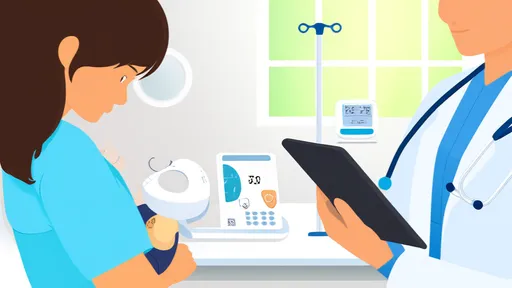
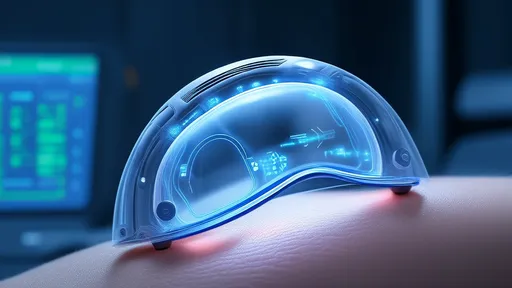
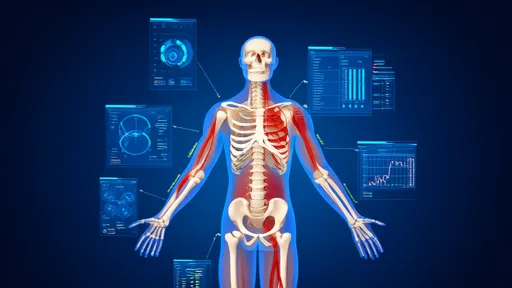
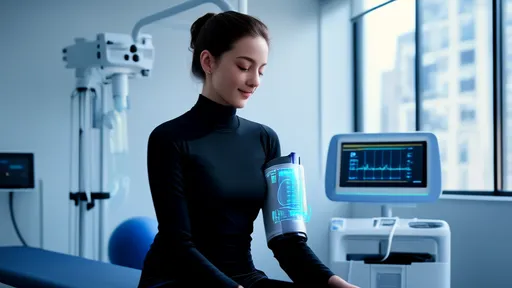
The technology behind these intelligent garments represents a remarkable convergence of medical expertise and cutting-edge engineering. Thin, flexible sensors woven directly into the fabric create a network that maps pressure points across the body's surface. These sensors connect to small, lightweight modules that process the data and transmit it wirelessly to both patients' smartphones and their healthcare providers' monitoring systems. The system can alert wearers if pressure becomes uneven or falls outside therapeutic ranges, allowing for timely adjustments.
Beyond pressure monitoring, the most advanced prototypes incorporate additional health metrics. Some can detect early signs of infection by tracking subtle changes in local skin temperature and pH levels. Others monitor range of motion, providing valuable data about rehabilitation progress. This comprehensive approach transforms the passive pressure garment into an active participant in the healing process, offering insights that were previously impossible to obtain without clinical visits.
The implications for patient outcomes are profound. With continuous monitoring, adjustments can be made before problems escalate. A garment that's too tight might restrict blood flow or cause tissue damage, while one that's too loose provides inadequate scar management. Smart garments maintain the delicate balance required for optimal healing. Moreover, the collected data creates detailed progress reports that help clinicians tailor treatment plans to each individual's healing trajectory.
Adoption challenges remain before these high-tech solutions become standard care. The medical community will need to establish protocols for interpreting and acting upon the constant stream of data. Insurance reimbursement models must adapt to cover these more expensive but potentially cost-saving devices. Perhaps most crucially, the garments must maintain the comfort and durability that patients require for all-day wear while incorporating sophisticated electronics.
Early clinical trials show promising results. Patients using smart pressure garments demonstrate better compliance with wear time recommendations and experience fewer complications related to improper pressure. The psychological benefits are equally noteworthy – many users report feeling more secure knowing their garment is actively monitoring their recovery. This peace of mind can be invaluable for burn survivors navigating the challenging emotional landscape of rehabilitation.
As the technology matures, researchers envision even more advanced functionality. Future iterations might automatically adjust pressure levels in response to real-time data or incorporate drug delivery systems to administer topical treatments. The integration of artificial intelligence could enable predictive capabilities, anticipating problems before they occur based on patterns in the collected data.
The development of smart pressure garments exemplifies how traditional medical devices are being transformed by the digital health revolution. What began as simple elastic clothing has evolved into a sophisticated platform for continuous care. For burn survivors, this innovation promises not just better physical outcomes, but greater control and confidence throughout their recovery journey. As these technologies move from research labs to clinical practice, they have the potential to redefine standards of care in burn rehabilitation worldwide.
While widespread availability may still be years away, the progress made thus far demonstrates the tremendous potential of merging medical textiles with smart technology. The coming decade will likely see rapid advancement in this field as engineers, clinicians, and patients collaborate to refine these systems. One thing is certain: the future of burn care will be smarter, more responsive, and more patient-centered than ever before.

By /Jul 21, 2025

By /Jul 21, 2025
By /Jul 21, 2025
By /Jul 21, 2025
By /Jul 21, 2025
By /Jul 21, 2025
By /Jul 21, 2025
By /Jul 21, 2025
By /Jul 21, 2025
By /Jul 21, 2025
By /Jul 21, 2025
By /Jul 21, 2025

By /Jul 21, 2025
By /Jul 21, 2025
By /Jul 21, 2025
By /Jul 21, 2025
By /Jul 21, 2025
By /Jul 21, 2025

By /Jul 21, 2025
By /Jul 21, 2025