The field of respiratory rehabilitation has witnessed remarkable advancements in recent years, with impedance modulation devices emerging as a groundbreaking innovation. These sophisticated tools are transforming how clinicians approach lung function recovery, offering personalized therapy that adapts to patients' unique physiological needs. Unlike traditional respiratory equipment, these devices employ dynamic resistance mechanisms that respond in real-time to a patient's breathing patterns, creating a more natural and effective rehabilitation process.
Understanding the science behind impedance modulation requires a deep dive into respiratory physiology. The human breathing apparatus is an intricate system where air resistance plays a crucial role in lung conditioning. By carefully manipulating this resistance during exhalation, impedance devices create optimal conditions for strengthening respiratory muscles while improving gas exchange efficiency. This technology proves particularly valuable for patients recovering from chronic obstructive pulmonary disease (COPD), pneumonia, or COVID-19-related lung damage.
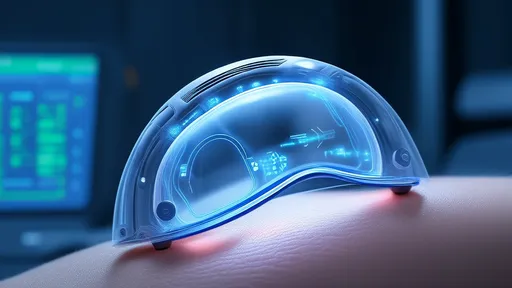
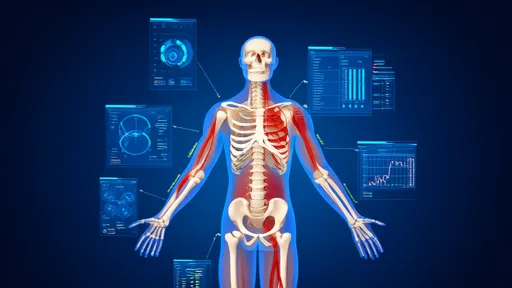
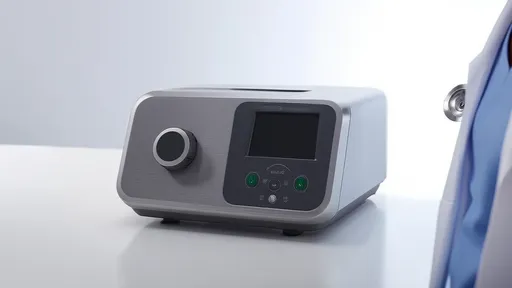
Modern impedance devices incorporate smart sensors and microprocessors that continuously monitor breathing parameters. This real-time data analysis allows for instantaneous adjustments to resistance levels, ensuring each patient receives therapy precisely tailored to their current respiratory capacity. The adaptive nature of these systems means therapy automatically progresses as the patient's lung function improves, eliminating the need for manual recalibration common in traditional respiratory training equipment.
The clinical benefits of impedance-based respiratory rehabilitation are becoming increasingly evident through numerous studies. Patients using these devices demonstrate faster recovery times, greater improvements in forced expiratory volume (FEV1), and enhanced overall endurance compared to conventional methods. Perhaps most importantly, the technology appears to significantly reduce the perceived exertion during therapy sessions, leading to better patient compliance and long-term outcomes.
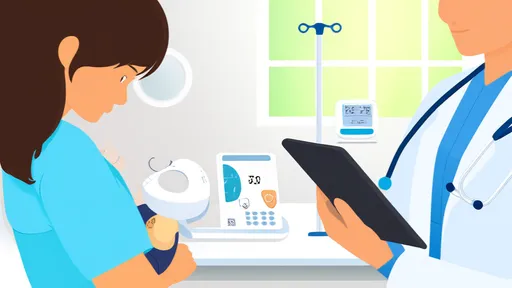
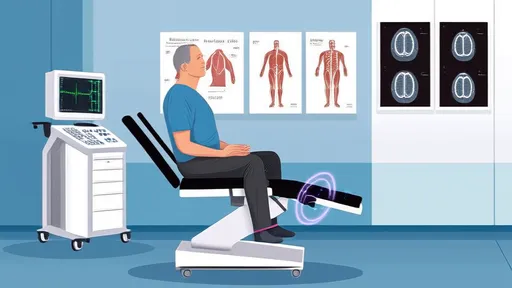
Implementation in clinical settings has revealed several practical advantages of impedance modulation systems. Their compact design and user-friendly interfaces make them suitable for diverse environments, from intensive care units to outpatient clinics and even home care situations. Many modern units feature wireless connectivity, enabling remote monitoring by healthcare providers and seamless integration with electronic medical record systems. This connectivity proves invaluable for tracking patient progress and adjusting treatment plans without requiring in-person visits.
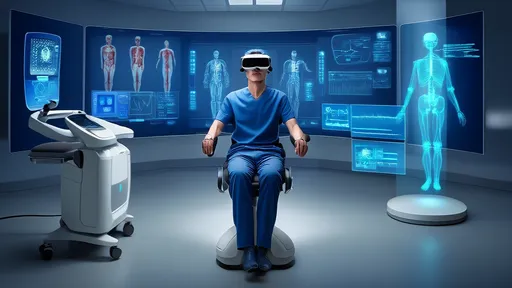
One particularly innovative application involves combining impedance devices with virtual reality (VR) technology. This pairing creates immersive rehabilitation experiences where patients engage in breathing exercises within simulated environments. The visual feedback and gamification elements not only improve engagement but also help patients better understand and control their breathing patterns. Early results suggest this combination therapy may yield even greater functional improvements than impedance training alone.
The technological sophistication of these devices does raise important considerations regarding accessibility and training. While costs have decreased as the technology matures, impedance modulation systems still represent a significant investment for many healthcare facilities. Comprehensive staff training programs are essential to ensure proper use and maximize therapeutic benefits. Manufacturers have responded by developing extensive certification courses and support networks to facilitate smooth implementation.
Looking toward the future, researchers are exploring how artificial intelligence might further enhance impedance modulation technology. Machine learning algorithms could potentially predict optimal resistance patterns based on a patient's historical data and comparable case studies. Other development avenues include miniaturized wearable versions for continuous respiratory conditioning and specialized models tailored to pediatric or geriatric populations with unique physiological requirements.
Patient testimonials highlight the human impact of this technological advancement. Many report not just measurable improvements in lung function tests, but also profound quality-of-life enhancements—being able to climb stairs without breathlessness, returning to favorite activities, or simply experiencing less fatigue during daily tasks. These personal victories underscore how impedance modulation moves beyond clinical metrics to deliver meaningful, tangible benefits to individuals rebuilding their respiratory health.
As the evidence base grows, impedance modulation is gaining recognition in clinical guidelines worldwide. Several professional respiratory societies now recommend these devices as part of comprehensive pulmonary rehabilitation programs. This formal endorsement reflects the technology's transition from experimental innovation to established therapeutic modality—a rare and rapid progression in the typically conservative medical device landscape.
The environmental impact of respiratory rehabilitation equipment has also come under scrutiny, and impedance devices fare well in this regard. Their durable construction and software-upgradable nature create a longer product lifecycle than disposable-heavy traditional alternatives. Some manufacturers have implemented recycling programs for electronic components and adopted sustainable production practices, aligning with broader healthcare sustainability initiatives.
While impedance modulation represents a significant leap forward, experts caution against viewing it as a standalone solution. Optimal results occur when combined with comprehensive rehabilitation programs including physical exercise, nutritional guidance, and psychological support. The technology serves as a powerful tool within this holistic approach rather than a magic bullet for respiratory recovery. This balanced perspective ensures patients receive the multifaceted care necessary for lasting improvements in lung health and overall wellbeing.
Ongoing clinical trials continue to refine our understanding of optimal protocols and patient selection criteria. Preliminary data suggests certain subgroups—such as those with specific patterns of muscle weakness or particular disease phenotypes—may derive exceptional benefit from impedance-based therapy. This precision medicine approach promises to further enhance outcomes as clinicians become more adept at matching technology to individual patient characteristics.
The economic case for impedance modulation technology is strengthening as long-term studies demonstrate reduced hospitalization rates and decreased reliance on pharmacological interventions among consistent users. Healthcare systems facing rising COPD burdens find particular value in these devices as part of preventive strategies and post-exacerbation recovery programs. The potential to reduce overall healthcare expenditures while improving outcomes creates a compelling value proposition for payers and providers alike.
Educational initiatives are helping bridge the knowledge gap that sometimes exists between device capabilities and clinician awareness. Medical schools and continuing education programs increasingly incorporate impedance technology into their curricula, ensuring the next generation of respiratory therapists enters the workforce familiar with these advanced tools. Professional conferences now routinely feature hands-on workshops where clinicians can experience the technology firsthand and share best practices.
As with any medical innovation, challenges remain in achieving universal access and addressing disparities in healthcare delivery. Efforts are underway to develop cost-effective versions suitable for resource-limited settings and to establish shared-use models that maximize community benefit. These endeavors reflect the respiratory care community's commitment to ensuring all patients who could benefit from impedance modulation have the opportunity to access this transformative technology regardless of geographic or economic circumstances.

By /Jul 21, 2025

By /Jul 21, 2025
By /Jul 21, 2025
By /Jul 21, 2025
By /Jul 21, 2025

By /Jul 21, 2025
By /Jul 21, 2025
By /Jul 21, 2025

By /Jul 21, 2025
By /Jul 21, 2025

By /Jul 21, 2025
By /Jul 21, 2025

By /Jul 21, 2025
By /Jul 21, 2025

By /Jul 21, 2025
By /Jul 21, 2025

By /Jul 21, 2025
By /Jul 21, 2025

By /Jul 21, 2025

By /Jul 21, 2025